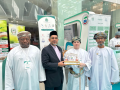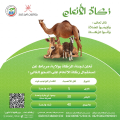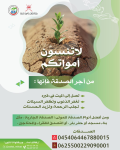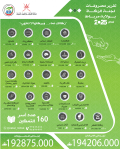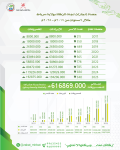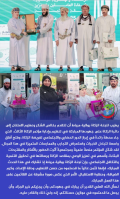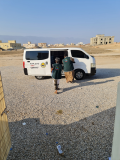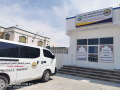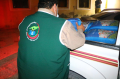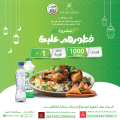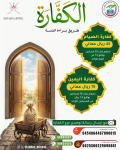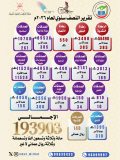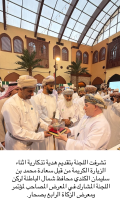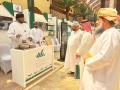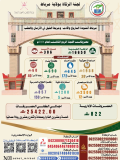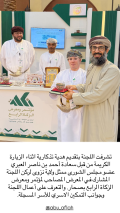
Mirbat Zakat Committee operates in the Wilayat of Mirbat under the supervision of the Ministry of Endowments and Religious Affairs, and is responsible for collecting Zakat, charitable donations, and expiations, and distributing them to eligible beneficiaries in accordance with Islamic principles. The Committee ensures that the needs of vulnerable families are carefully assessed and that assistance is delivered fairly and equitably, while organizing the distribution process to prevent duplication and promote social solidarity. The Committee also oversees the implementation of several seasonal and ongoing charitable initiatives, including Zakat Al-Fitr, sacrificial meat distribution, debt relief, and Iftar programs. In addition, it places strong emphasis on family empowerment initiatives aimed at supporting self-reliance and improving living conditions, guided by the values of cooperation and compassion encouraged by Islamic teachings.
vision Charity Profile
Leadership in volunteer work as a reflection of humanity’s stewardship on Earth.
Message Charity Profile
Mirbat Zakat Committee seeks to unify charitable efforts under an organized framework that ensures fair distribution and prevents duplication. This is achieved through accurate classification of beneficiaries based on their level of need and the activation of Zakat, charitable donations, and expiation programs throughout the year. The Committee also focuses on empowering underprivileged families to move from dependency toward self-sufficiency through family empowerment initiatives, thereby strengthening social solidarity and creating a lasting positive impact within the community.
Goals Charity Profile
Unifying charitable efforts under a single government-supervised framework. Preventing duplication and overlap in aid distribution. Classifying registered beneficiaries according to their level of need. Activating seasonal and ongoing charitable activities, including the collection of Zakat Al-Mal and Zakat Al-Fitr, sacrificial meat, charitable donations, and expiations. Striving to empower registered underprivileged families to achieve financial self-sufficiency. Collecting Zakat (Al-Fitr, Al-Mal, and livestock Zakat). Collecting charitable donations (cash and in-kind). Managing expiations (cash and in-kind). Providing relief for those in distress. Implementing the Iftar Program. Implementing the Family Empowerment Program.